

La espuma EVA está en todas partes: entresuelas de zapatos, tapetes infantiles, cubiertas de botes, armaduras de cosplay y hasta almohadillas ortopédicas. ¿Es segura? Respuesta corta: sí, si elige material que cumpla las normas y lo usa bien. Veamos el porqué, el dónde y el cómo, en lenguaje claro y pensado para el comprador, con normas reales por su nombre para que su equipo de calidad no ponga los ojos en blanco.
Para su información: Sansd es uno de los El Mayor Fabricante de Espuma EVA a Medida en China, directo de fábrica, con EVA/PE de celda cerrada y personalización total de densidad, Shore C, espesor, color Pantone, texturas y adhesivo 3M PSA. Si necesita planchas, rollos o piezas cortadas, está en el lugar correcto: Inicio Sansd.
Seguridad de la espuma EVA y FDA 21 CFR §177.1350 (contacto con alimentos)
El EVA (etileno-vinil acetato) es un copolímero. En palabras simples, es un plástico que se mantiene elástico sin necesitar esos plastificantes pesados que preocupan a la gente. La FDA de EE. UU. incluye el EVA en el 21 CFR §177.1350 para usos en contacto con alimentos, con límites de extracción y condiciones definidas. Es una casilla importante para la seguridad básica del material en films, forros y capas de contacto similares.
Qué significa para usted: el empaque cercano a alimentos y los mangos pueden usar EVA que cumpla la norma. Aun así, no cocine sobre él: calor alto más alimentos nunca es buena combinación para la mayoría de los polímeros.
- ¿Necesita film o material para laminar? Pida EVA de celda cerrada, incluya en la orden los requisitos de extracción y especifique sin contenido reciclado para contacto directo con alimentos.
- ¿Quiere ayuda con la especificación? Empiece aquí: Material EVA e indíquenos su método de ensayo.
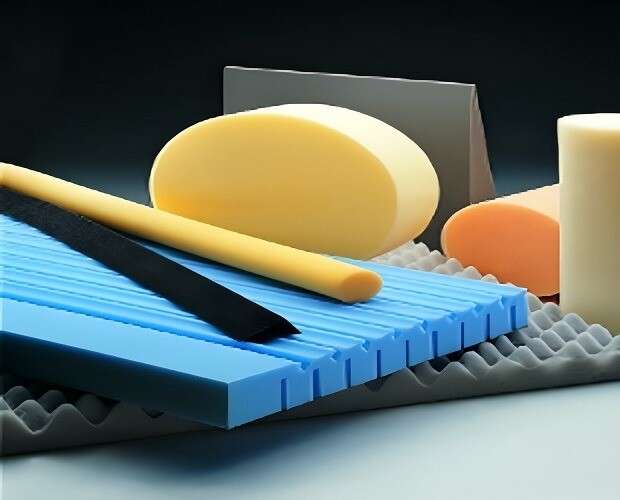
Formamida en la espuma EVA y la Directiva Europea de Seguridad de Juguetes (EN 71)
Hace años, algunos tapetes puzzle de espuma generaron alarma por la formamida (un auxiliar de espumado). El marco europeo de seguridad de juguetes (véase la EN 71 y las guías relacionadas) fijó límites estrictos y reglas de ensayo que cubren la emisión tras un periodo de almacenamiento y, en la práctica, umbrales de contenido que determinan si hace falta ensayar la emisión. En resumen: la espuma que cumple mantiene la formamida en niveles muy bajos.
Qué puede hacer ahora mismo:
- Para tapetes de juego infantiles, pida cumplimiento de EN 71, informes de ensayo de formamiday un protocolo de almacenamiento/ventilación antes del embarque.
- Al recibirlos, abra las cajas y ventile los tapetes unos días. Es gratis y funciona.
¿Necesita espuma para superficies de juego, tapetes tipo rompecabezas o losetas deportivas con documentación? Vea Tapetes Deportivos y Espuma para Cosplay (mismo contacto, lo orientamos).
EVA vs. plastificantes del PVC (contexto de ftalatos de la CPSC)
EVA normalmente no depende de plastificantes de ftalato para mantenerse flexible; el PVC sí. Por eso el EVA aparece tanto en artículos infantiles, calzado y almohadillas blandas. Evita toda una categoría de problemas con ftalatos prohibidos en productos para niños (CPSC). Igual hay que ensayar —a la gente de cumplimiento le pagan por decir “muéstremelo”—, pero la elección del material facilita el camino.
Consejo para el comprador: en su solicitud escriba “EVA, sin ftalatos añadidos; ensayos de producto infantil según corresponda”. Ahorra idas y vueltas y ordena el plan de laboratorio.
Combustión del EVA y dioxinas (polímero libre de cloro)
El EVA no contiene cloro, a diferencia del PVC. Por eso, al hablar del fin de vida, el perfil de riesgo de las dioxinas cloradas es fundamentalmente distinto. Eso no hace aceptable la quema a cielo abierto —simplemente no lo haga—, pero aclara una duda frecuente en las auditorías de seguridad.
Reciclaje de espuma EVA y espuma reticulada (fin de vida)
Una desventaja honesta: la espuma EVA reticulada es difícil de reciclar en circuito cerrado. La reticulación fija la red: excelente para la deformación permanente y la durabilidad, no tanto para el reprocesado por fusión. Muchas marcas apuestan por el reúso mecánico (molido/rebonding, usos secundarios) o por programas de recuperación. Para planchas no reticuladas y mezclas PE/EVA las opciones mejoran, pero se evalúa caso por caso.
Qué hacemos en Sansd: diseñamos a la medida de la especificación para que no sobredimensione la espuma. Densidad correcta, Shore C correcta, morfología de celda correcta. Menos desperdicio en el troquelado. Mejor rendimiento en su CNC o chorro de agua. Sí, el rendimiento de proceso también es sostenibilidad.
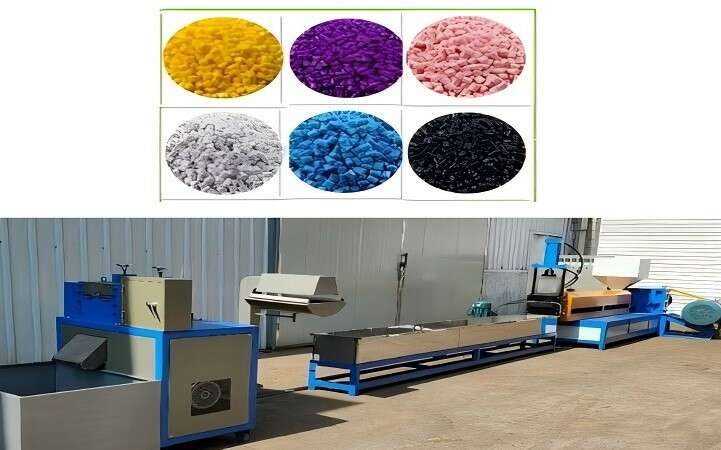
Dónde brilla el EVA (escenarios reales y lenguaje del comprador)
- Cubierta náutica / piso de botes: el EVA de celda cerrada resiste la absorción de agua, es fácil rutear en CNC patrones de dibujo a medida y ofrece buen agarre en mojado con pie descalzo. Agregue nuestro 3M PSA y la instalación autoadhesiva queda limpia. Vea Piso de Espuma para Botes y Planchas de Cubierta de Espuma.
- Ortesis / almohadillas médicas: ajustable, DUREZA SHORE Cconstante, deformación permanentetolerancia de espesor tras el rebajado y buena respuesta al termoformado con pistola de calor. Explore Espuma Ortopédica.
- Entresuelas / plantillas de calzado: rebote, retorno de energía, peso: el EVA da en el punto justo de amortiguación por gramo. Abastecemos a Material EVA para calzado socios a gran escala; hablemos de material en rollo o en plancha para sus prensas.
- Alfombras de auto / NVH de interior: celda cerrada, con grados resistentes al aceite; combina con laminación textil para las zonas de desgaste del talón. Revise Material para Alfombras de Auto.
- Cosplay y DIY: cortes limpios, lijado suave, acepta bien el termoformado y la imprimación; amplia gama de colores. Pruebe Espuma para Cosplay.
- Base para césped sintético: capa amortiguadora, ajuste de la altura de caída mediante densidad/porosidad. Vea Relleno para Césped Artificial.
(Si es distribuidor o dueño de marca, manejamos venta al por mayor y laminados a medida: liners PSA, caras textiles, patrones de ranurado, logos color sobre color. También hacemos espuma PE cuando necesita otro amortiguamiento: Espuma PE.)
Tabla rápida de evidencias (afirmación, significado, alcance, fuente)
| Afirmación | Qué significa en palabras simples | Alcance de uso | Fuente (sin enlaces externos) |
|---|---|---|---|
| EVA incluido en FDA 21 CFR §177.1350 | La FDA reconoce el EVA para cierto contacto con alimentos, con límites de extracción | Films, forros, recubrimientos (no para cocción a alta temperatura) | “FDA 21 CFR §177.1350” |
| EN 71 las normas regulan formamida en juguetes de espuma | El control estricto de emisión/contenido mantiene la exposición muy baja | Tapetes infantiles, espuma para juguetes | “Directiva Europea de Juguetes / EN 71 (límites y ensayos de formamida)” |
| El EVA suele usar sin ftalatos formulaciones | No necesita plastificantes pesados para ser suave | Artículos infantiles, calzado | “Contexto de ftalatos de la CPSC: EVA vs. PVC” |
| El EVA no contiene cloro | Subproductos de combustión distintos a los del PVC; de todos modos, evite la quema a cielo abierto | Fin de vida en general | “Química de polímeros: el EVA no contiene cloro” |
| El EVA reticulado es difícil de reciclar | Gran desempeño, circuito cerrado complicado | Calzado, cubiertas, tapetes | “Práctica de la industria y notas de reciclaje” |
Nota: existen cifras de límites en las normas; su programa de laboratorio mostrará los métodos y umbrales exactos. Nos alineamos a su mercado.
Lista de verificación de especificación para compradores (para que calidad no lo llame después)
- Polímero: EVA o EVA/PE de celda cerrada. Indique si es reticulado o no reticulado.
- Dureza: DUREZA SHORE C con tolerancia. No mezcle escalas A y C; todavía pasa, ups.
- Densidad: rango objetivo para amortiguación según la carga.
- Espesor y planitud: tolerancia tras el rebajado y tamaño de plancha; calibre del rollo para líneas continuas.
- Deformación permanente y rebote: defina el ensayo (temperatura/tiempo).
- Superficie: textura/grabado o especificación de ranurado CNC para kits de cubierta.
- Color: Pantone de referencia; estabilidad UV si es para exterior.
- Adhesivo: 3M PSA tipo, liner, especificación de desprendimiento.
- Laminación: cara textil, film superior, capa de logo color sobre color.
- Paquete de cumplimiento: FDA 21 CFR (si es cercano a alimentos), EN 71 (infantil), REACH según corresponda, y declaración de sin ftalatos añadidos .
- Notas de proceso: método de corte (troquel, chorro de agua, CNC), ancho de corte y plan de anidado para maximizar el rendimiento.
Envíe esto a compras y quedará como un profesional. Si algo no está claro, redactamos la especificación con usted: más rápido que tres rondas de correos.
Notas de campo (historias breves, problemas reales)
Un instalador de cubiertas nos contó que su mayor dolor de cabeza no era la calidad de la espuma, sino la falla de adhesión por una mala preparación de la superficie. Ajustamos la especificación del liner PSA, agregamos un paso de limpieza con imprimante y, listo, bajaron los reclamos. Otra fábrica de calzado veía que la entresuela “rebotaba” al recortar; aumentamos el tiempo de enfriamiento y se resolvió. El EVA no es magia, pero es predecible si se respeta el proceso.
A veces dirá: “Necesitamos algo más suave, pero el tapete se hunde”. Ahí cambiamos “más suavidad” por un equilibrio de arquitectura celular y espesor . Un cambio pequeño, una gran diferencia en el tacto. No son palabras elegantes, es buena ingeniería.
En resumen (y dónde encaja Sansd)
El EVA seguro cuando se compra y se ensaya contra las normas correctas. Evita los problemas habituales de los plastificantes del PVC, tiene un historial sólido en calzado, juego infantil, náutica, ortesis e interiores de auto, y le da una plataforma flexible para ajustar densidad, Shore C, color y laminados. Sí, la formamida en la espuma llegó a los titulares; por eso hacemos los ensayos, definimos el almacenamiento y embarcamos con documentación. Hágalo bien y funciona. Hágalo a la ligera y, bueno, no.
Si está especificando Planchas de Espuma EVA, Rollo de Espuma EVA, kits de cubierta para botes, almohadillas ortopédicas, bases para alfombras de auto o planchas para cosplay, y necesita venta al por mayor, color OEM, 3M PSAy muestras rápidas, hable con Sansd. Empiece desde el inicio: