Custom EVA Material for Orthotic Milling — Product Data
Product overview
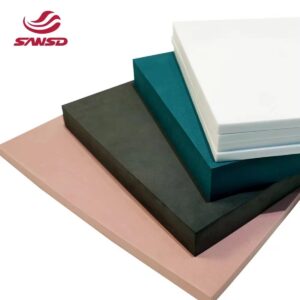
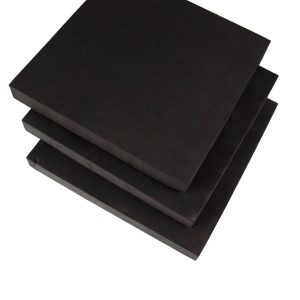
Closed-cell EVA milling blocks/sheets engineered for CAD/CAM fabrication of custom orthoses, footbeds, and accommodative inserts. Tunable density and hardness deliver the right mix of cushioning, support, and long-term resilience for retail, hospitality, clinical, and athletic use.
Technical specifications
-
Material: EVA closed-cell foam (latex-free)
-
Applications: Orthotic milling, footbeds, heel lifts/posts, wedges, accommodative pads
-
Density: Customizable (typical 0.12–0.28 g/cm³)
-
Hardness: 25–80° Shore C (soft comfort → firm control)
-
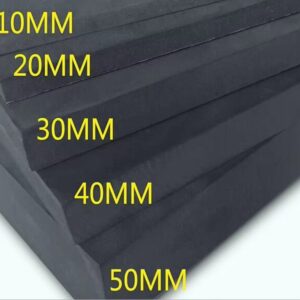
Thickness: 1–57 mm standard; thicker laminates on request
-
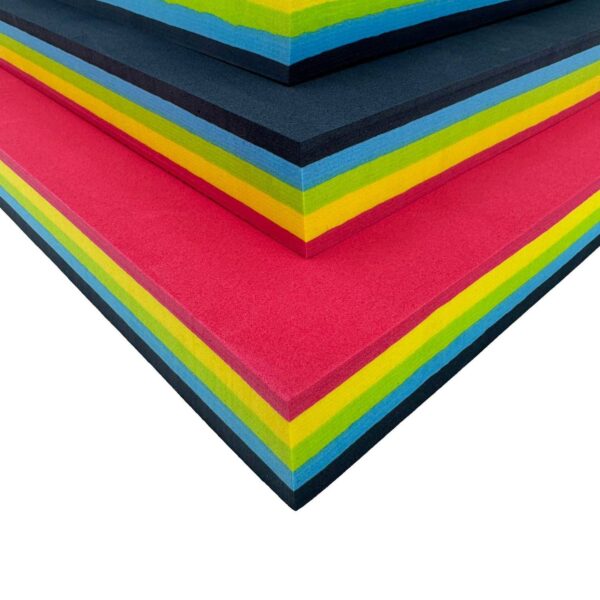
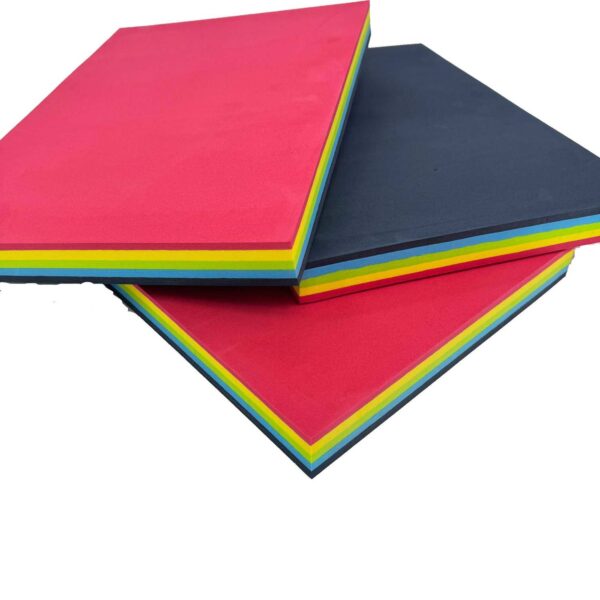
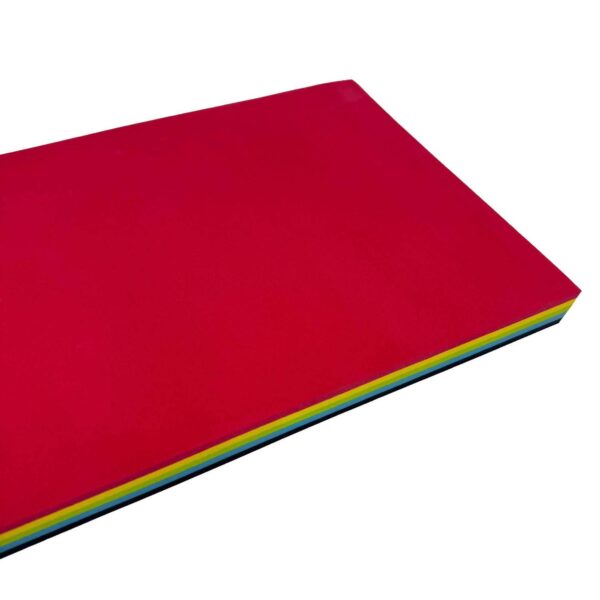
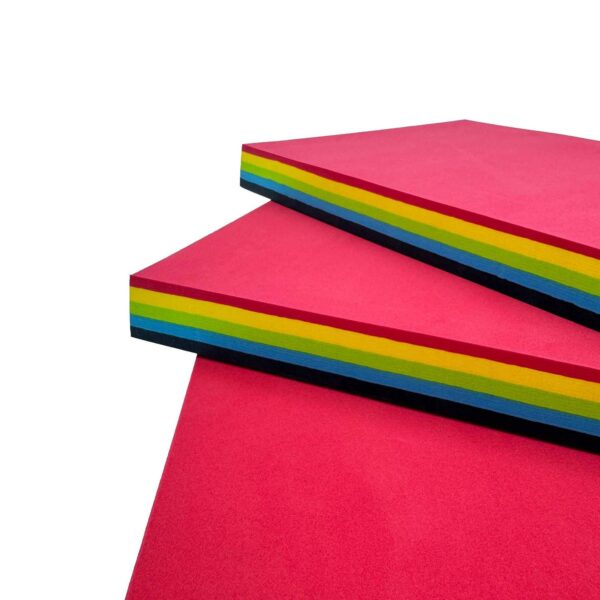
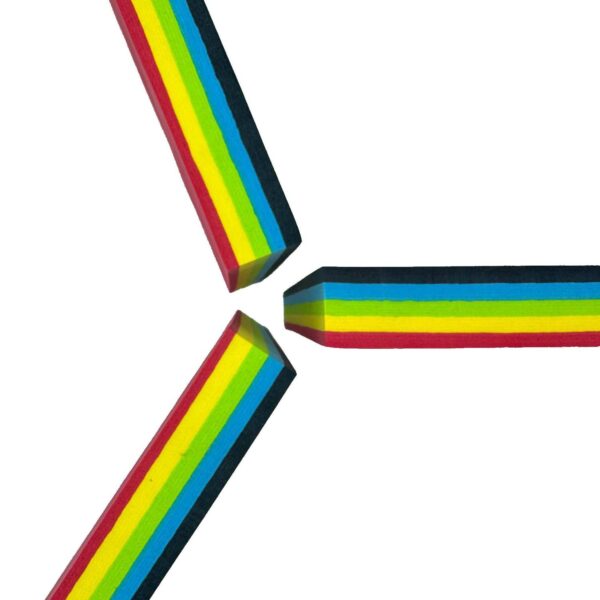
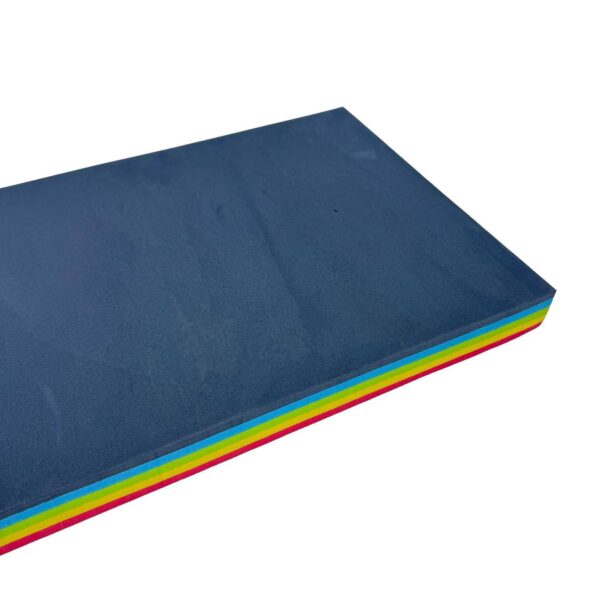
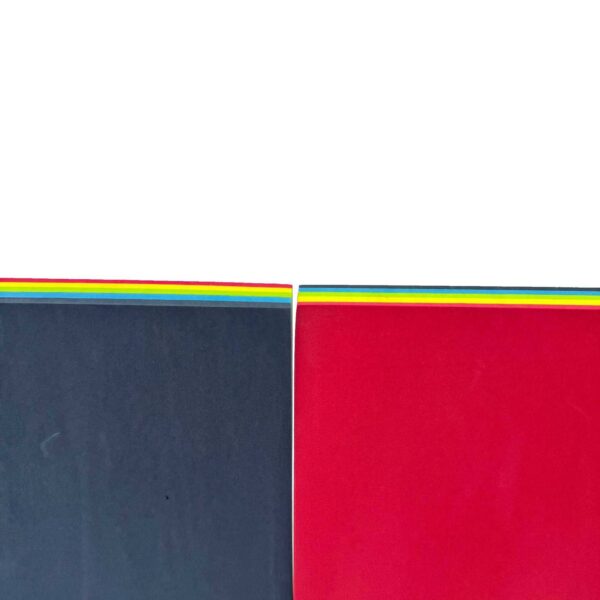
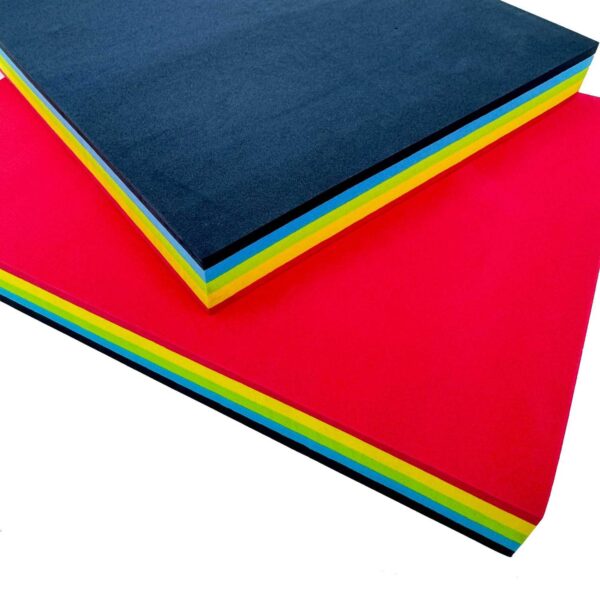
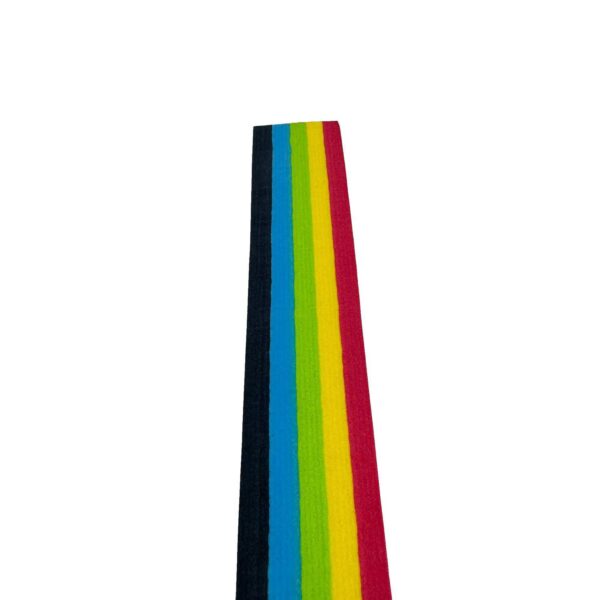
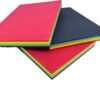
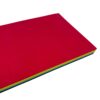
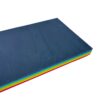
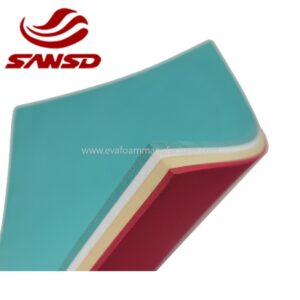
Formats: Milling blocks / sheets / billets; laminated multi-durometer stacks available
-
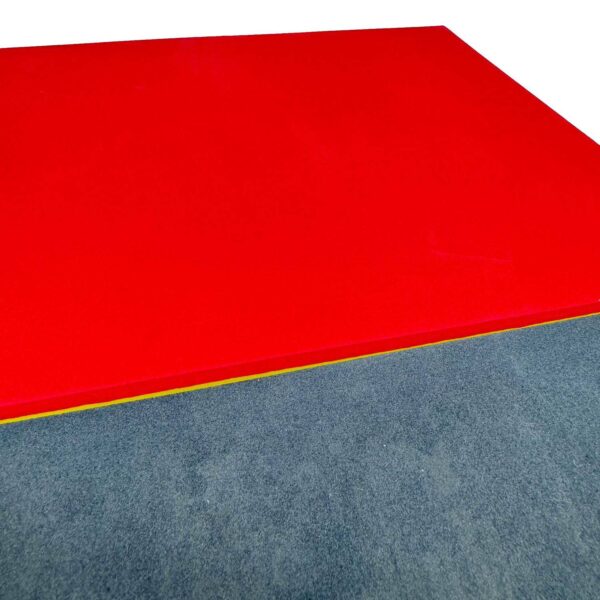
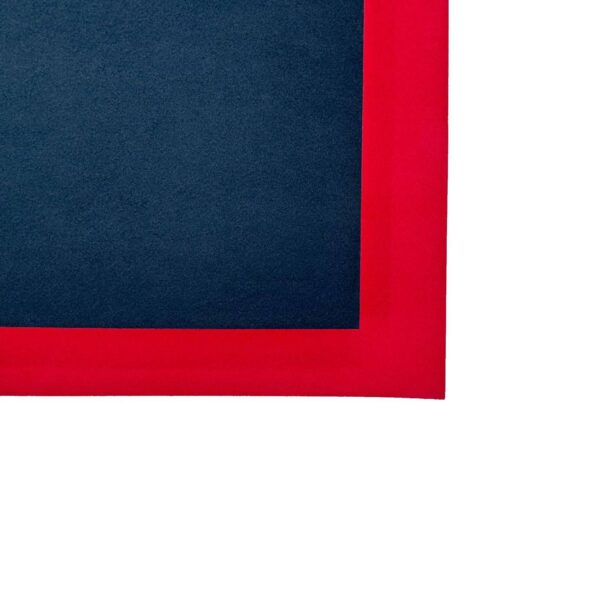
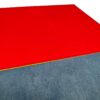
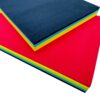
Colors: Any solid color or Pantone-matched; optional color-by-durometer system
-
Origin: CN
-
Feature: EVA orthopedic/orthotic sheet for CNC milling
Key benefits
-
Consistent machining: Fine, closed cell structure mills cleanly with crisp edges and smooth surfaces.
-
Comfort + control: Wide durometer range supports soft top layers with firm posting/stabilization under rearfoot/forefoot.
-
Lightweight & resilient: Low compression set and reliable rebound for all-day wear.
-
Hygienic & water-resistant: Closed cells resist moisture uptake; easy to clean and finish.
-
Process-ready: Bonds well to common top-covers (mesh, PU, microfiber, cork) and to EVA/rubber posting materials.
Recommended hardness by use
-
Top-cover / accommodative layers: 25–40° Shore C
-
General orthotic shells / footbeds: 35–55° Shore C
-
Posting, wedges, motion-control zones: 50–70° Shore C
-
High-load work/industrial inserts: 60–80° Shore C
Options & customization
-
Single, dual, or multi-durometer laminates (e.g., soft 30C surface / firm 60C base)
-
Pre-laminated top-covers (mesh, microfiber, antibacterial fabrics)
-
Pre-bonded posting sheets (EVA, EVA-rubber, cork/EVA)
-
Perforated or grooved comfort layers; branding deboss or printed IDs
-
CNC kit-packing from CAD/DXF with left/right mirrors and part labeling
CNC milling guide (typical starting points)
-
Tooling: 1- or 2-flute up-cut or straight router bit, Ø 3–6 mm
-
Spindle speed: 8,000–18,000 rpm (use lower rpm for softer grades)
-
Feed rate: 1,000–3,000 mm/min (adjust to eliminate melting/fuzz)
-
Step-over: 40–60% of tool diameter for finishing passes
-
Pass depth: 3–6 mm (deeper for firmer grades)
-
Tips: Sharp tools, dust extraction, and light air assist improve edge quality. Avoid prolonged dwell to prevent heat marks.
Bonding & finishing
-
Surface prep: Light sanding or scuffing; wipe with isopropyl alcohol.
-
Adhesives: PU/contact cements, reactive hot-melt, heat-activated films, or PSA where specified.
-
Lamination: Heat and press per cover supplier guidance; avoid scorching.
-
Edge work: Buff to radius; finish with fine grit for smooth perimeters.
Quality & test methods (available on request)
-
Hardness: ASTM D2240 (Shore C)
-
Compression set: ISO 815
-
Abrasion/wear (for exposed bases): ISO 4649 / DIN 53516
-
Tensile/tear (foam): ASTM D3574 / D624 (as applicable)
-
Chemicals: RoHS/REACH-friendly formulations available
Care & storage
Store flat, dry, and out of direct UV. Keep in original wrap until use to prevent dust pickup. Clean finished devices with mild soap and water; avoid harsh solvents/bleach.
Frequently asked questions
-
Lead time: Standard sheets/blocks ship in about 25 days. Allow +1–2 weeks for PSA, heat-lamination, multi-durometer stacks, or kit-cut sets.
-
Samples: Yes—sample kits cover multiple densities, hardnesses, thicknesses, and laminations.
-
Soft/firm tuning: Achieved by compounding/expansion; specify target Shore C and density.
-
Recyclability: EVA can be recycled where facilities exist; in-plant offcuts are recycled.
-
From CAD: Provide CAD/DXF and layout notes; after minor revisions, sample production can usually begin within two weeks.
Ordering checklist
-
Target device type (accommodative, semi-rigid, work/safety, sport)
-
Hardness and density targets for each layer/zone
-
Thickness(es) and laminate stack-up (single/dual/multi-durometer)
-
Top-cover material/color and bottom/posting requirements
-
Block/sheet sizes or CNC kit-packing with nesting plan
-
Adhesive preference (cement, heat-film, PSA)
-
Color/branding and labeling needs
-
Test/report requirements and delivery timeline
Share your CAD files and the checklist above to receive a tuned specification, machining notes, and a formal quotation.