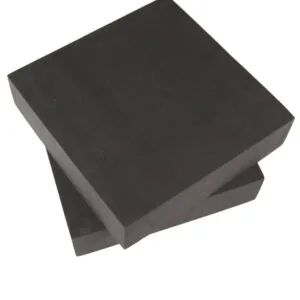
EVA Material
Bulk EVA foam sheet and roll stock for converters, foam laminator lines and EVA foam insert projects.

We supply a broad portfolio of closed-cell EVA/PE foam to power your products. Whether you need color-matched sheets and rolls, marine deck foam with traction textures, orthotic-grade materials, durable sports & puzzle mats, or adhesive-backed laminations, we deliver proven, production-ready solutions for your application. Our comprehensive range makes us your true one-stop partner—streamlining sourcing and helping you select the best, high-quality material for every project, fast.
Bulk EVA foam sheet and roll stock for converters, foam laminator lines and EVA foam insert projects.
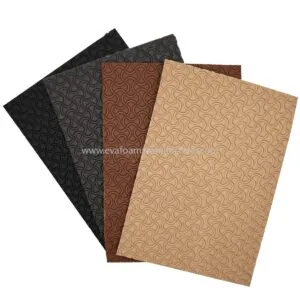
Sheet materials and cut soles for footwear factories.
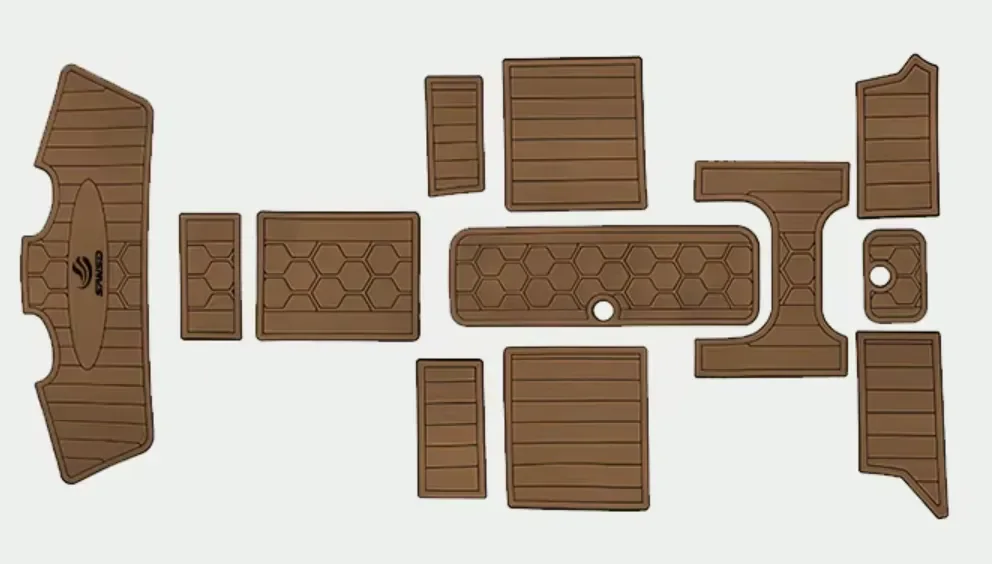
Sheet material for fabricators and finished foam deck pads.
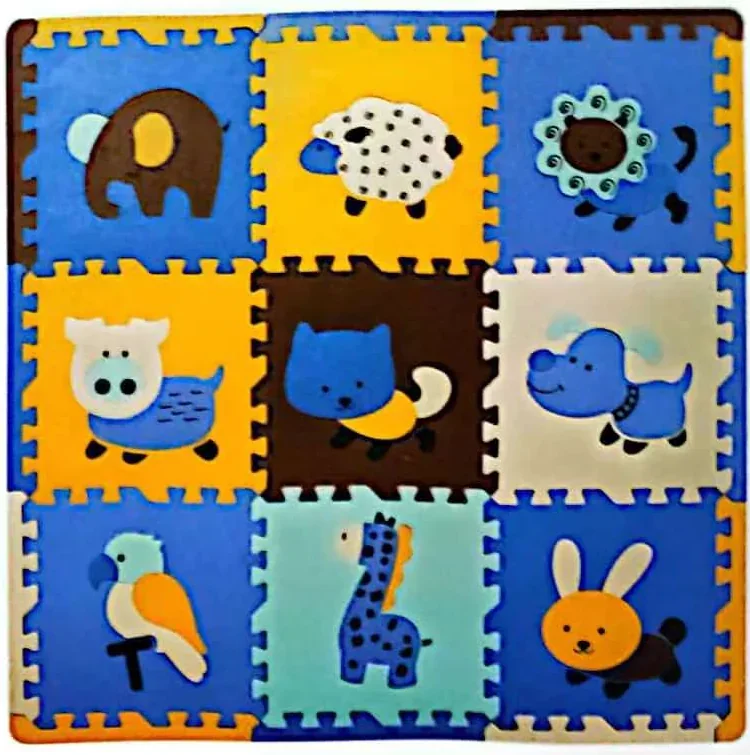
Puzzle, play and sports mat formats for different applications.
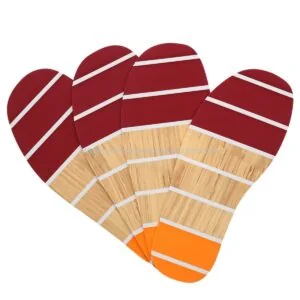
Foam materials for insoles, orthotic milling and layered support.
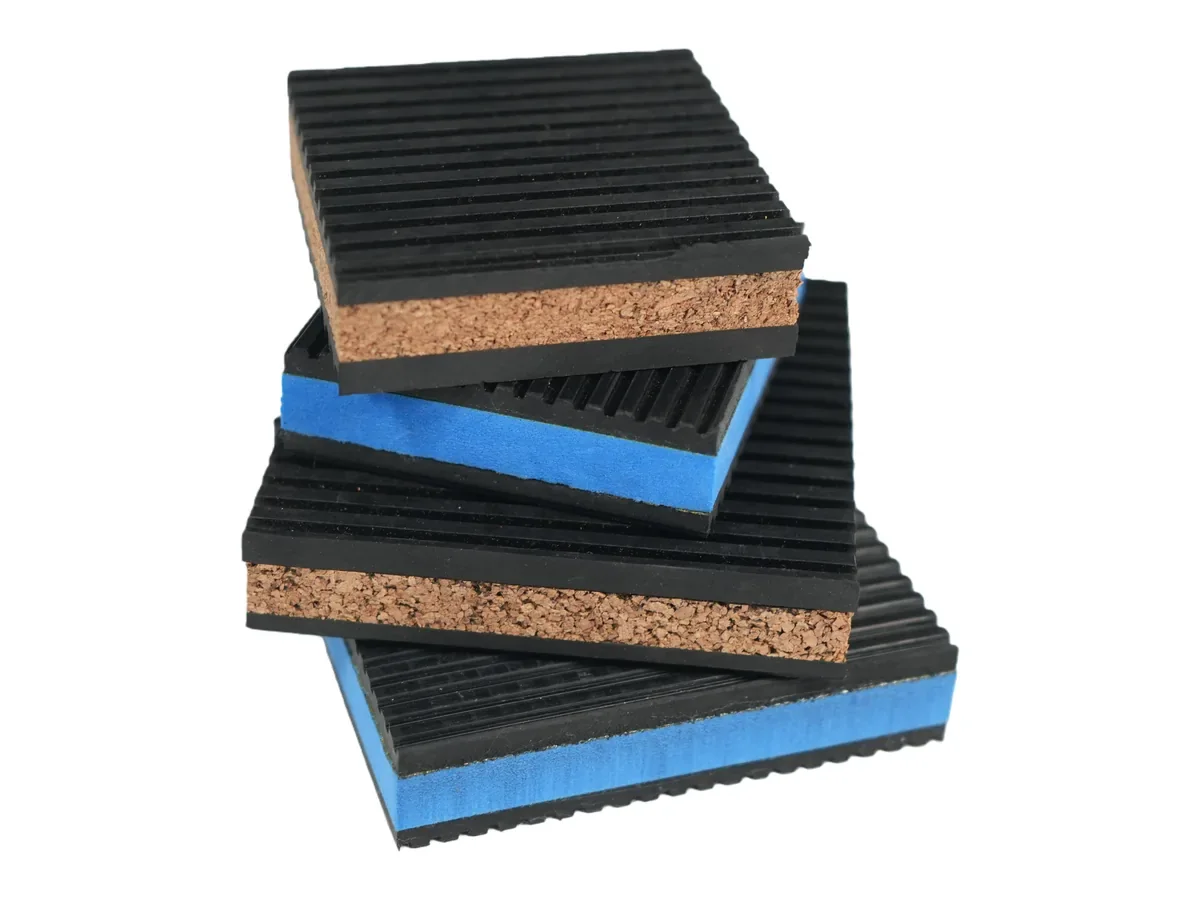
Laminated pads with EVA or cork cores and ribbed rubber facings.
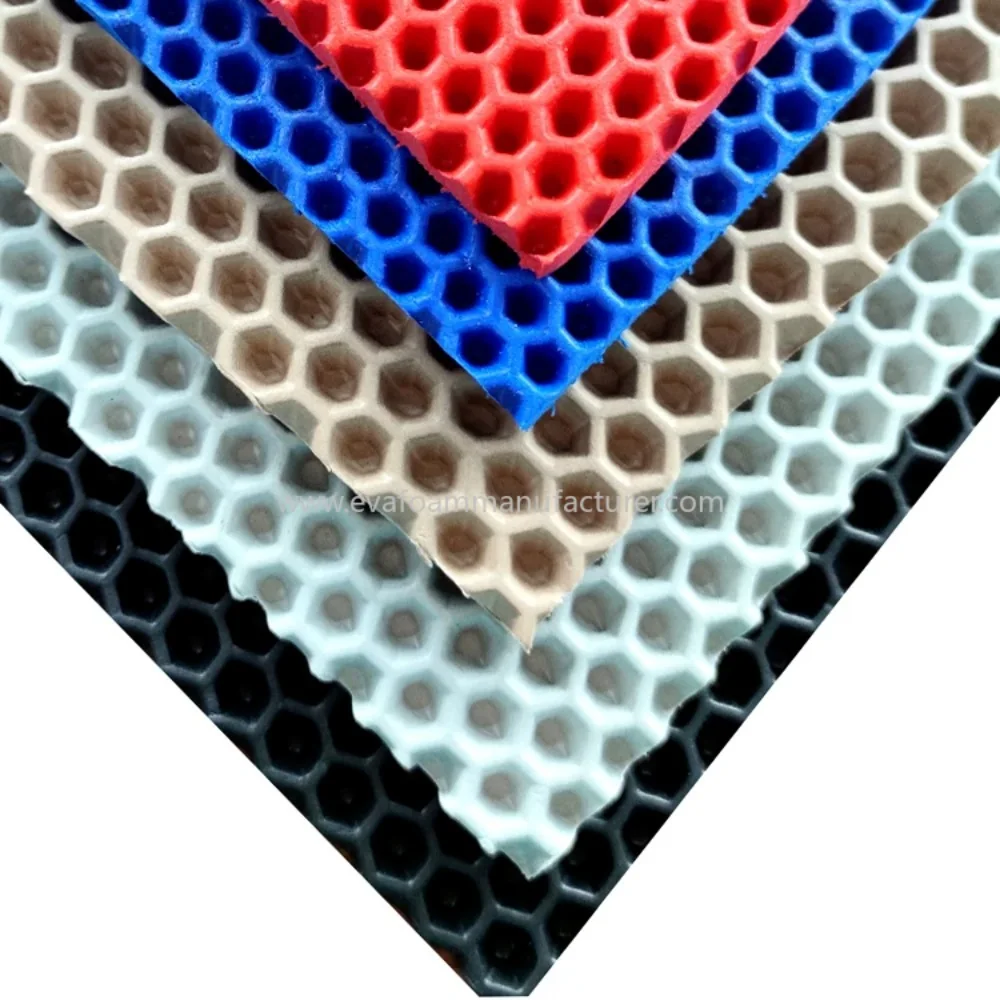
Foam stock for automotive mat cutting and converting.
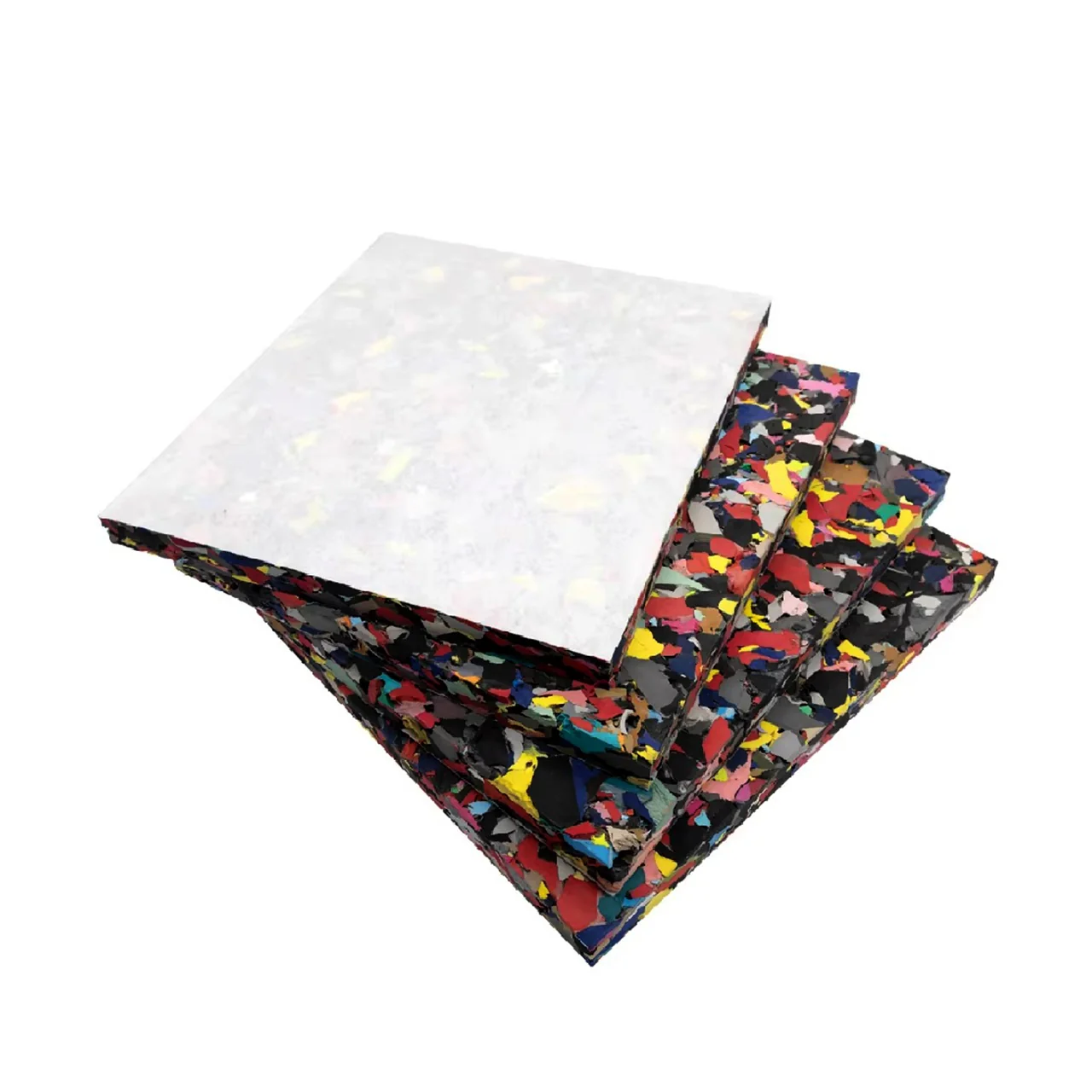
Foam underlay and shock pad material for artificial turf projects.
For EVA foam wholesale and EVA foam bulk enquiries, discuss your specification with SANSD, an EVA foam supplier, foam converter and closed cell foam manufacturer. When comparing closed cell foam suppliers, use the same grade specification and approved sample.
Choose the supply format that matches your next production step: ready-made sole units, sheet stock for further processing, pet toys or custom molded components.
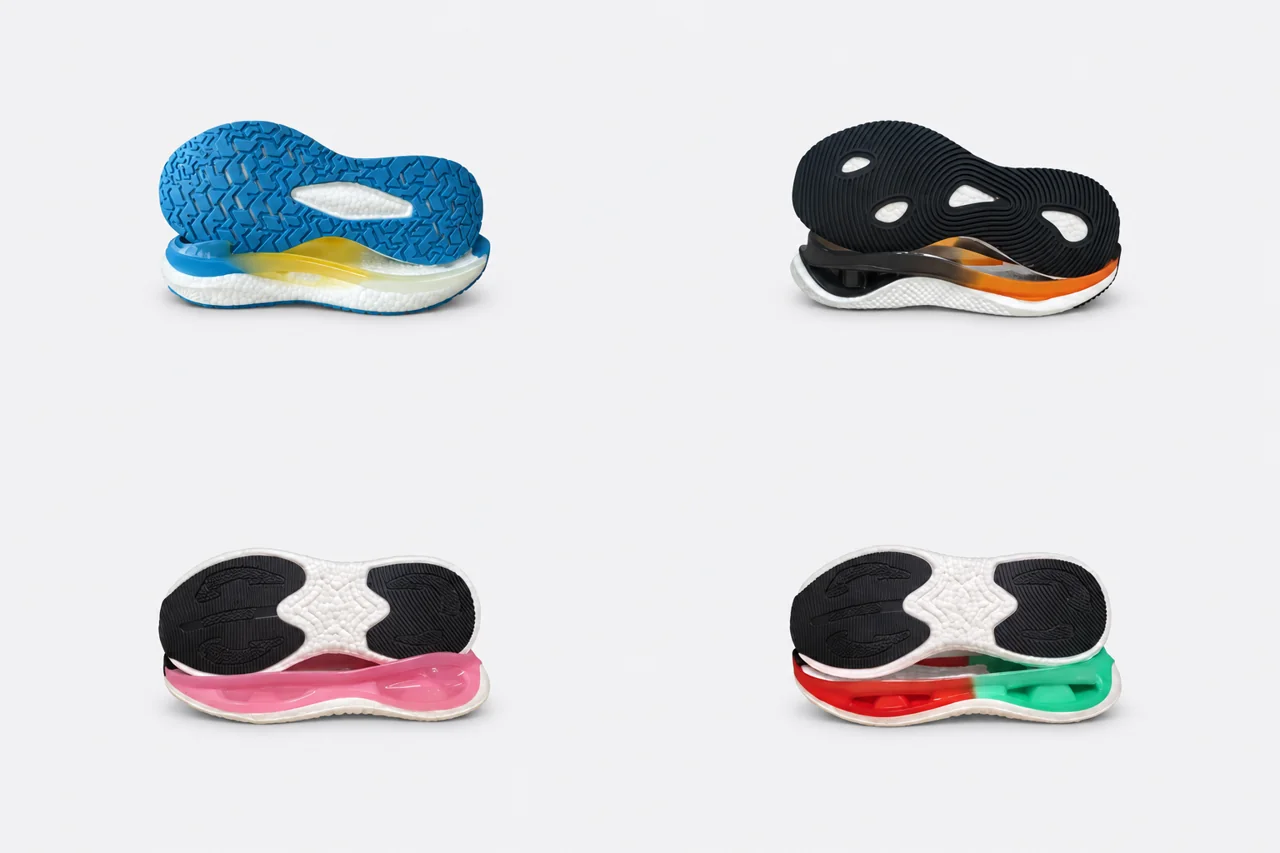
Assembled sole units for footwear brands and factories. Browse existing models or discuss your own construction.
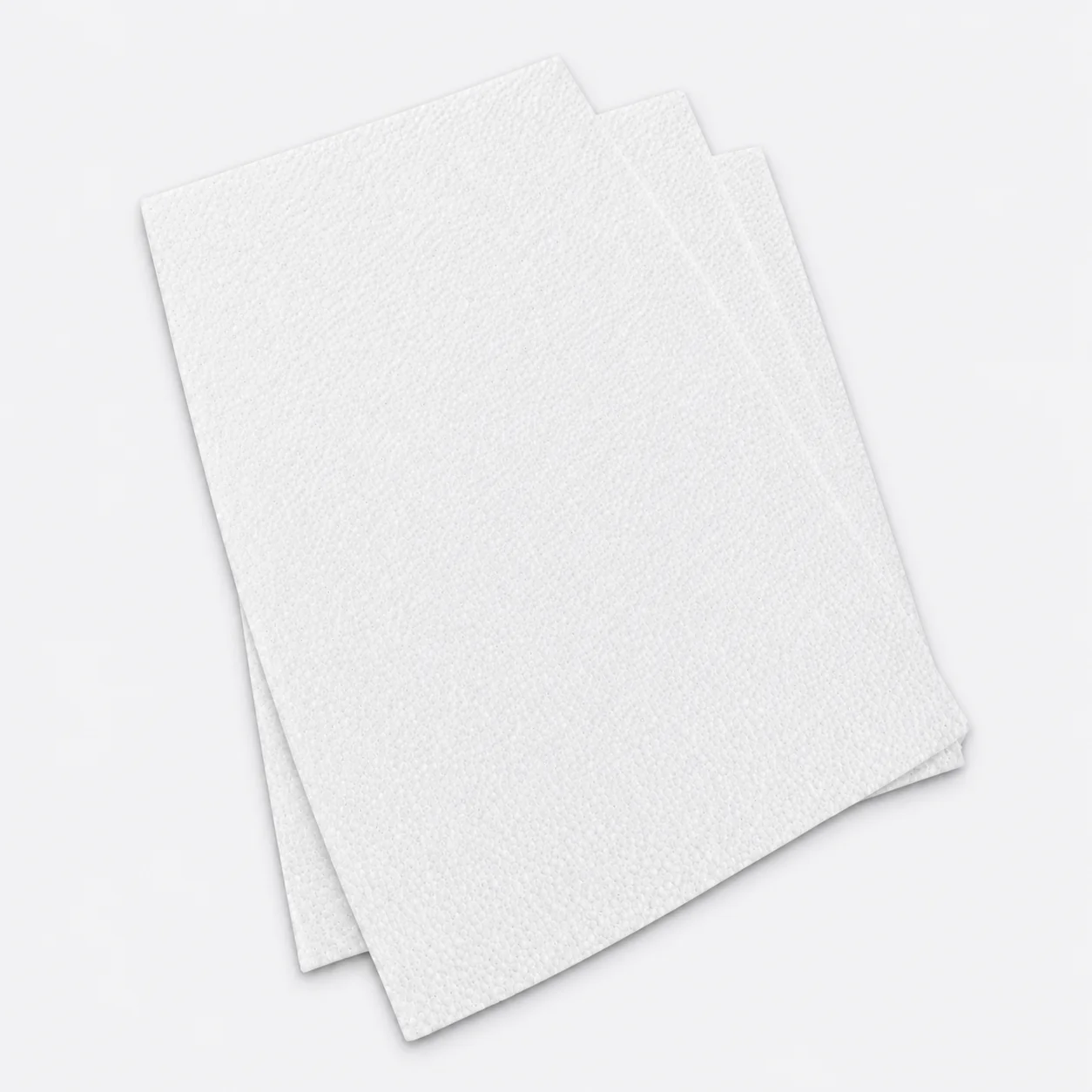
Sheet material for buyers who make their own components. Discuss thickness, hardness, color and sheet dimensions.
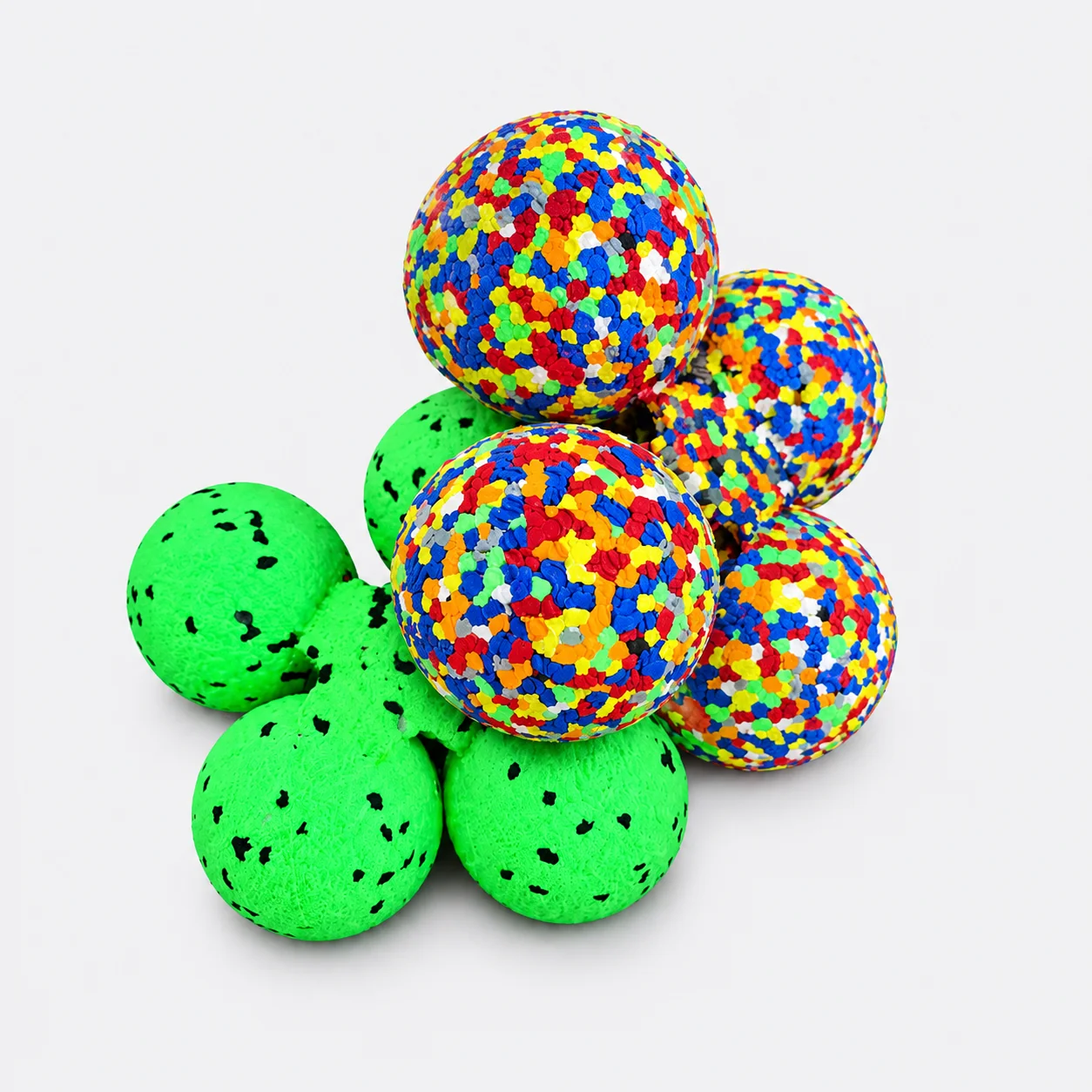
Balls, flying discs, rings and other molded shapes for pet brands and wholesale buyers.
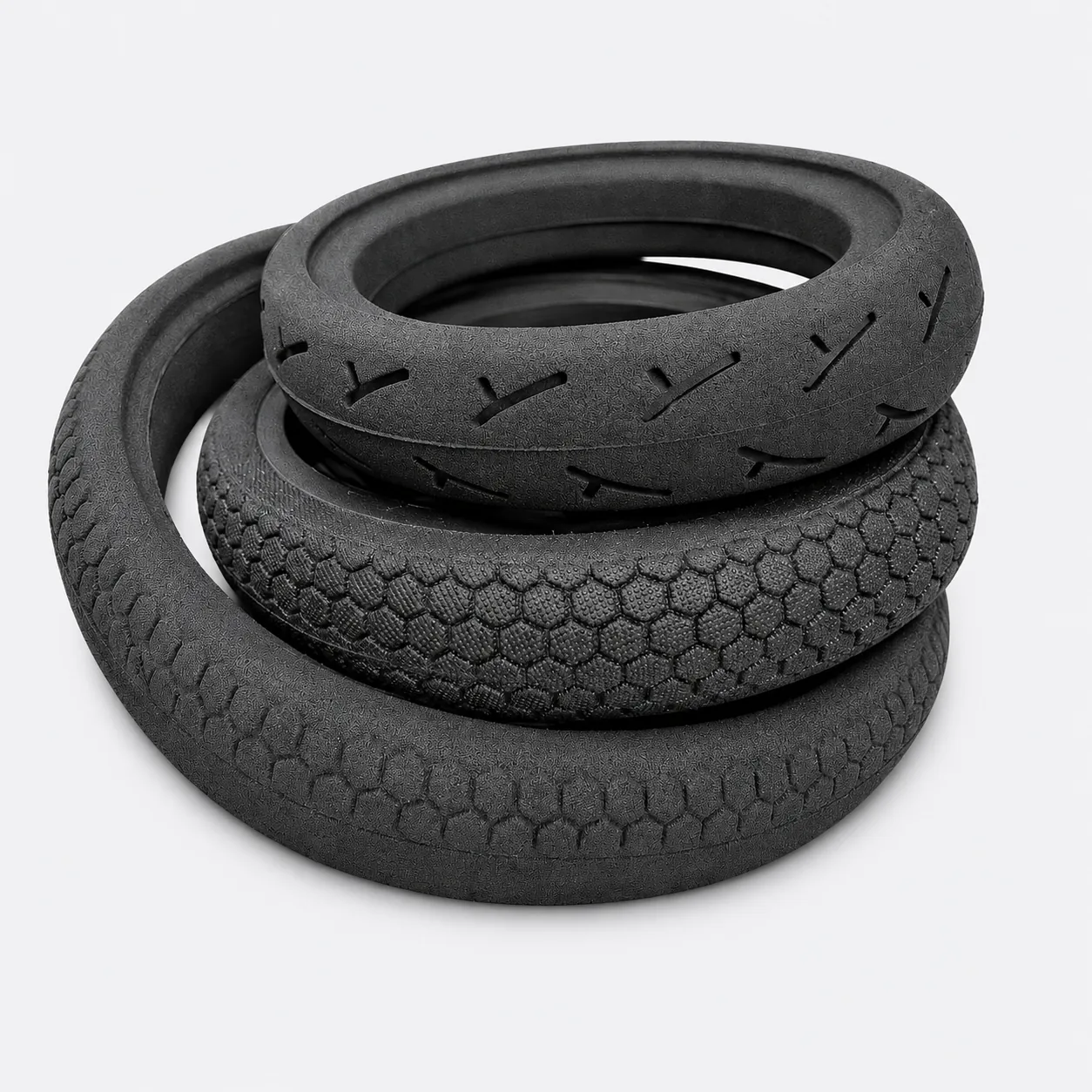
Drawing-based projects such as foam tires, equipment components and cushioning parts.
ETPU is the trade name SANSD uses for this EVA-based popcorn bead foam product line. EVA is physically expanded into beads, then the beads are joined and formed into sheets or parts. Tell us the required polymer and construction when sending your specification.


Foam selection comes down to four variables: density, hardness, thickness, and surface treatment. Here is where most applications land.
The density and hardness ranges below are application reference values. The final material grade, tolerances and test requirements are confirmed against the approved sample and applicable report.
| Application | Density (kg/m³) | Shore C | What to prioritise | Explore the range |
|---|---|---|---|---|
| Footwear midsoles | 100–190 | 35–55 | Lower density gives softer cushioning; higher density improves rebound and shape retention over repeated compression cycles. | EVA midsole materials |
| Footwear outsoles | 250–350 | 60–72 | Abrasion and tear resistance over softness. Often laminated to a softer midsole layer. | EVA outsole materials |
| Marine decking | 160–260 | 50–65 | UV stability and traction texture. Closed-cell structure prevents water absorption in wet service. See our marine specification below. | Marine EVA sheets Finished deck pads |
| Protective packaging | 40–70 | 15–25 | Compression recovery over initial softness — the foam must return to shape after repeated impacts in transit. | Custom foam inserts Die cut foam inserts |
| Yoga mats | 70–95 | 25–33 | Grip and cushioning at low thickness. Surface texture and slip resistance matter more than bulk density; rolled formats need to resist creasing in storage. | Discuss EVA foam grade |
| Play & puzzle mats | 85–110 | 30–38 | Dimensional stability so interlocking edges stay square and tiles do not gap. Firmer than yoga stock, with tighter tolerance on thickness and cut accuracy. | Puzzle & play mats Gym mats |
| Orthotic and medical | 140–450 | 45–80 | Usually built as multi-layer constructions combining softer cushioning layers with firmer support layers. Consistent compression set matters more than initial hardness — specify tested compression set values rather than durometer alone. | Orthopedic foam |
Traction textures are formed in the sheet rather than applied as a coating, with the selected texture confirmed on the sample. Adhesive backing is pre-applied in-house on our coating lines under controlled tension and temperature, giving consistent bond strength across the full sheet and removing the lamination step from your production.
| Property | Specification |
|---|---|
| UV weathering | 3,000-hour aging test; applicable report available on request |
| Density | 160–260 kg/m³ (10.0–16.2 lb/ft³) |
| Hardness | Shore C 50–65 |
| Cell structure | Closed-cell, non-absorbent in wet service |
| Surface | Traction textures embossed into the sheet; Pantone colour matching |
| Adhesive | Genuine 3M pressure-sensitive tapes including 3M 9775WL and 3M 99786 |
| 3M authorisation | Authorised 3M converter; adhesive batch number and supporting report available |
| Adhesive application | Factory pre-coated, ready to cut and install |
If you already have a foam you are happy with, send a physical sample. We match density, Shore C hardness, Pantone colour, texture, and thickness from a reference piece.
Send us your reference sample →We are ISO 9001, ISO 14001, ISO 45001, BSCI, and GRS certified. REACH and SGS reports are issued on request. For RoHS, EN 71-3, California Prop 65 or other requirements, applicability is checked for the selected product and destination market.
Have questions about our EVA/PE closed-cell foam, customization process, or technical specs? Start here—if you don’t see your answer, our engineering team will help.
Closed-cell EVA and PE foam in sheets and rolls, plus laminations (EVA/EVA, EVA/PE, fabric-backed, two-tone, PSA-backed).
Color (Pantone matching), thickness, density, Shore C hardness, surface texture/emboss, perforation/grooving, 3M PSA backing, and multi-layer builds to your drawings.
Common sheets: 1–10 mm (others on request). Rolls available by width/length spec. We’ll confirm tolerances (thickness, density, hardness, color ΔE) on your spec sheet.
Lead times depend on the selected product line, specification, sample approval and order requirements. EVA/PE schedules are confirmed with your quotation.
Varies by spec (color/thickness/lamination). Standard colors typically lower MOQs; fully custom colors/laminations require higher MOQs. Ask for your exact configuration.
Yes—stock A4 swatches or cut-to-size samples. Custom color/hardness samples available for confirmation before mass production.
ISO-based QMS; options supporting RoHS/REACH, low-VOC, and other brand requirements. Applicable test reports can be requested for your order.
Non-skid textures, two-tone laminations, grooving patterns, UV-resistant formulations, and PSA backing for quick install.
Stable hardness/rebound, clean cutting, with specifications confirmed for the selected grade for insoles, braces, pads; supplied as sheets, rolls, or die-cut blanks
PSA (e.g., 3M families), heat lamination, fabric films, and logo/mark options (emboss/deboss/print). Supplied kiss-cut or sheeted for easy assembly.
Die-cut, CNC, waterjet; laser cutting depends on your finish requirements—tell us your process and we’ll tune material and liners accordingly.
Send your target application + specs (thickness, hardness, density, color, texture, PSA need, annual volume). We’ll return a spec sheet, quotation, and sampling plan.
Yes. SANSD manufactures its ETPU popcorn product line alongside EVA and PE materials. The range includes popcorn shoe sole units, foam sheets, pet toys and custom molded parts.
ETPU is the trade name SANSD uses for this EVA-based popcorn bead foam product line. EVA is physically expanded into beads, then the beads are joined and formed into sheets or parts. Confirm the required polymer and construction in your specification.
Popcorn sole units and pet toys typically require 15 days for samples and 35 days for production. Popcorn sheets typically require 7 days for samples and 25 days for production. Custom molded parts have reference stages of 15 days for tooling, 25 days for samples and 35 days for production. The starting point and sequence are confirmed for each project; peak-season scheduling may vary.
Tell us what you plan to make. Share your application and any available specifications, or describe your sample if the details are still being decided.